Understanding postnatal depression and C-section recovery
- Scarban C-Section
- 5 Dec 2025
-
views
58
What is postnatal depression?
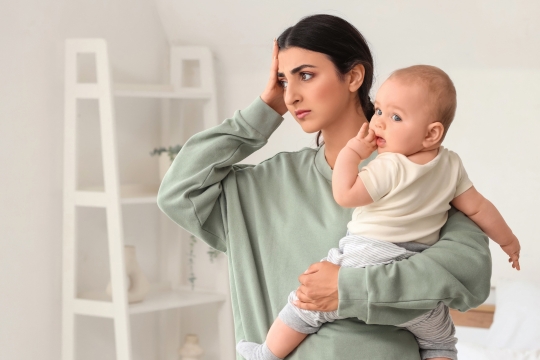
Postnatal depression is a type of depression that develops after having a baby. It is more persistent and serious than the short-term “baby blues,” which usually resolve within two weeks. It can occur anytime in the first year and may affect your mood, thoughts, and ability to enjoy everyday life.
Postnatal depression symptoms
Postnatal depression symptoms can vary, but many women experience sadness, anxiety, low energy, sleep problems, or difficulty bonding with their baby. Recognising these early signs and reaching out for help from a GP, midwife, or healthcare professional is an important part of recovery.
The link between C-section birth and postnatal depression
Recovering from a C-section is both a physical and emotional journey. Some women experience a smooth recovery, while others find the experience more difficult; especially if the birth was unexpected or required urgent surgery.
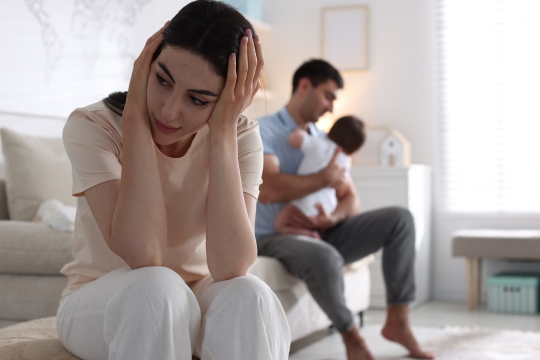
Research shows that C-section recovery challenges can influence postnatal mood. A 2022 study published in Frontiers in Medicine found that prenatal anxiety, early depressive symptoms, and pain at six weeks postpartum increased the likelihood of developing postnatal depression in women who underwent elective C-sections (Lin et al., 2022). An earlier study also found that Caesarean births were linked to higher rates of postpartum mood disorders, particularly when pain management and emotional support were limited (Carter et al., 1992). Hormonal changes after birth can affect how you feel, especially when your period starts again. Read more in our blog on your first period after birth.
Preventing keloid scars after a C-section
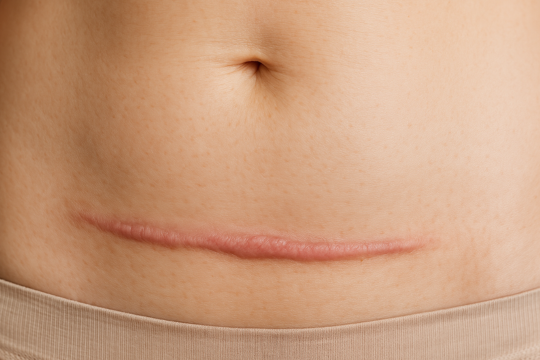
A recent study published in the International Journal of Gynaecology & Obstetrics found that abnormal scar formation is very common after a C-section, and that keloid scars are linked to a higher risk of postpartum depression because they can affect comfort and confidence (IJGO, 2024). Keloid scars can feel raised, tight, and sometimes itchy or painful. That’s why looking after your scar properly is so important because it’s not just about how it looks, but also how you feel.
Silicone therapy for C-section scars
Silicone therapy is one of the most researched and recommended options for improving the appearance and comfort of C-section scars. Studies show that silicone therapy can make a real difference as they have been clinically proven to reduce the thickness, redness, pain, and itchiness of scars, while keeping the skin soft and flexible (Chang et al., 2018). They are simple, non-invasive, and suitable for long-term scar care during recovery.
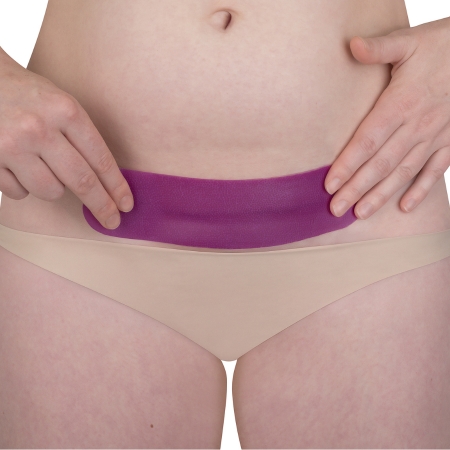
The benefits of silicone sheets for C-section recovery
Scarban C-section silicone sheets are designed especially for Caesarean scars. They keep your scar hydrated and protected, helping to soften and flatten raised tissue and lower the chance of developing a keloid or abnormal scar. By supporting healthier scar healing, scarban not only improves physical comfort but also promotes emotional wellbeing which in turn helps you feel more confident and in control during your postnatal recovery.
Supporting both body and mind after birth
Recovery after birth does not stop at the scar. Caring for your whole self, both body and mind, is key to feeling stronger and more balanced after a C-section.
Understanding the healing stages of a C-section scar can help you know what to expect as your body repairs and regains strength. Once your wound has healed, gentle scar massage can help improve flexibility and reduce tightness around your incision. Combining this with silicone therapy, such as Scarban C-section silicone sheets, can further support smoother, more comfortable scar healing.
Rest and sleep also play a vital role in both physical and emotional healing. Proper rest helps your body repair tissue, balances hormones, and supports your mental wellbeing. For more information, you can read our blog on how to sleep after a C-section. Your recovery will change week by week, and that is completely normal. Explore our C-section recovery week by week guide for reassurance and practical advice as you heal.
If you think you may be experiencing postnatal depression, remember that help is available. Talk to your GP, midwife, or healthcare professional for guidance. Combining professional support with rest, silicone therapy, and gentle self-care can make a meaningful difference to both your recovery and your emotional wellbeing after birth.
Disclaimer: This blog is for general information only and is not a substitute for professional medical advice.
References
- Lin, R., Lu, Y., Luo, W., Zhang, B., Liu, Z., & Xu, Z. (2022). Risk factors for postpartum depression in women undergoing elective cesarean section: A prospective cohort study. Frontiers in Medicine, 9, 1001855.
- Carter, F. A., Frampton, C. M., Mulder, R. T., & Luty, S. E. (1992). Cesarean section and postpartum depression: A prospective study of 604 women. Psychological Medicine, 22(3), 613–620.
- International Journal of Gynecology & Obstetrics (2024). Abnormal scar formation after cesarean section and its association with postpartum depression.
- NHS (2023). Postnatal depression – Symptoms and treatment.
- NHS (2023). Depression in pregnancy (antenatal and postnatal depression).
- Scarban UK. C-section scar recovery with silicone sheets.
- Chang, C. S., et al. (2018). Clinical effects of silicone therapy on hypertrophic and keloid scars. Wounds International.