Your first period after a C-section: a helpful guide
- Scarban C-Section
- 21 Aug 2025
-
views
3981

Becoming a new mum brings many changes and one common question after a C-section is: “When will my period come back?” Whether you are breastfeeding, bottle-feeding, or somewhere in between, it is normal to wonder what is ahead. In this guide, we will explain what to expect from your first period after a Caesarean section, how it may differ, and when to seek advice.
When will my period return after a C-section?
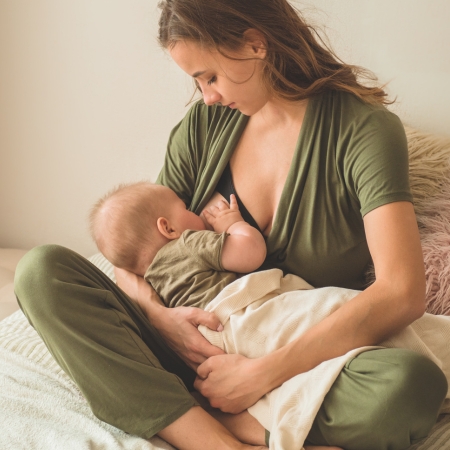
Most women have their first period around 5 to 8 weeks after a C-section, if they are not breastfeeding. If you are fully breastfeeding (day and night), your periods may not return for several months, sometimes not until you reduce feeds or start weaning your baby. This delay is due to the hormone prolactin, which helps produce breast milk and also suppresses ovulation.
Your individual experience may vary depending on hormones, stress, and recovery. It is perfectly normal if your cycle takes longer to return. If you are concerned or have not had a period for a long time after stopping breastfeeding, check in with your GP or healthcare provider.
Lochia vs your first period
Bleeding after birth (lochia) is normal and happens as your womb heals. Although it’s not your period; it’s a mix of blood, mucus and tissue. Lochia can last 2 to 6 weeks, starting off bright red, then fading to brown or yellow-white as it eases.
You will know your first true period has arrived when bleeding starts after lochia has stopped and follows a gap of no bleeding. This period may be heavier and longer than usual, especially if your body has not shed its lining in several weeks or months.
Important: Do not use tampons or menstrual cups until after your 6-week postnatal check. Using internal products too soon can increase the risk of infection, as your uterus still has a healing wound where the placenta was attached. Stick to maternity or sanitary pads during this time.

What to expect from your first period
After pregnancy and a C-section, do not be surprised if your first few periods are not exactly like your old ones. Your body is adjusting from the monumental changes of pregnancy and childbirth, so your menstrual cycle may take a little time to normalise. Common differences in the postpartum period include:
Heavier flow or clots
This is common, especially if your menstrual cycle was paused for a while. The uterus is shedding a thicker lining.
Irregular timing
Your body may take a few cycles to return to a regular pattern, particularly if you are still breastfeeding.
Cramps
Some mums notice more intense cramps due to the uterus contracting as it heals. Others report lighter cramps than before.
Changes in PMS
Mood swings, fatigue, or sore breasts may feel stronger, weaker, or simply different after pregnancy.
These changes usually settle over a few months. If you are tracking your cycle, expect some fluctuations at first, but things typically return to a more familiar rhythm by 6–12 months postpartum.
When to seek medical advice
Most postpartum period experiences, even the uncomfortable or messy parts are within the range of normal as your body adjusts. However, it is important to listen to your body and reach out for medical advice if something feels off. Contact your GP or healthcare professional if you meet any of the following:
- Very heavy bleeding (soaking a pad in under an hour)
- Large clots (bigger than a 50p coin)
- Foul-smelling discharge
- Fever or a chill
- Severe pain not eased by paracetamol or ibuprofen
- No period after several months (and you are not breastfeeding)

Piles (haemorrhoids)
Alongside period changes, many women also develop piles (haemorrhoids) after birth, even after a C-section. These swollen veins around the anus can cause itching, pain, or bleeding, especially if you are experiencing constipation postpartum.
If you are dealing with this, AnaMel Haemorrhoid Ointment can help. It is made with medical-grade honey, AnaMel soothes irritation, supports healing, and provides gentle relief without harsh chemicals.
Taking care of yourself after a C-section
Your first period after a C-section is an important step in your postpartum recovery. It means your body is slowly returning to its pre-pregnancy state, but it may come with changes in flow, timing, or symptoms. These changes are normal, and your cycle will usually settle over time. Make sure you have comfortable, high absorbency incontinence pads ready for your first period. You might find it helpful to track your cycles so you can notice any patterns or changes. If you are breastfeeding, stay hydrated and eat well, as your body is working hard to recover and produce milk.
As part of your healing, you may also want to support your C-section scar with a silicone sheet, such as the Scarban C-Section recovery kit. It is a reusable and washable silicone sheet specially made to help soften, flatten, and protect your scar during postpartum recovery. You can learn more about how silicone scar sheets work here.

Some women notice changes in their scar over time, such as tightness, thickening, or raised skin. To understand what's normal and when to seek help, you can read our blog on permanent scarring symptoms after a C-section. Take each day as it comes and focus on recovering and caring for yourself while you care for your baby. With proper care and support, you’ll navigate these changes just fine. You are doing a wonderful job!
And if anything does not feel right, speak to your midwife, health visitor or GP. Also, you can request your free Scar Guide to learn more about caring for your C-section scar and supporting your healing journey.
References
- CSection UK. (n.d.). Your first period after a C-section: When & what to expect.
- NHS. (n.d.). Your body after the birth.
- Tommy’s. (n.d.). Sexual and reproductive health after having a baby.
- Cloudnine Hospitals. (n.d.). Things you need to know about first period after C-section.
- NHS (Collingwood Surgery). (n.d.). When will my periods start again after pregnancy?
- Polaris Healthcare. (n.d.). First period after baby: What to expect.
- Dermatologie-winkel. (n.d.). Postpartum haemorrhoids.