Elective C-section: Benefits, postpartum recovery & scar care
- Scarban C-Section
- 10 Oct 2025
-
views
187

An elective C-section is a planned Caesarean delivery scheduled in advance, rather than carried out as an emergency. In the UK, some mums may choose this option for medical or personal reasons, while others may be advised by their healthcare team. Understanding what an elective C-section involves, the benefits, and how scar care and recovery works can help you feel more prepared for the journey ahead.
What is an elective C-section?
An elective C-section is when your baby is delivered surgically through an incision in your abdomen and womb, but unlike an emergency C-section, it is arranged beforehand.
Most elective C-sections are scheduled after 39 weeks of pregnancy to ensure your baby is fully developed. Sometimes, however, a C-section may be recommended earlier. For example, at 37 weeks, only if there are medical concerns.
Learn more about the C-section healing stages.
Benefits of elective C-section
Many women find reassurance in knowing what to expect with an elective C-section. Some of the benefits include:
- More control and less stress: You’ll know the exact date of your baby’s birth, which can help reduce anxiety and make the experience feel calmer and more predictable.
- Safer for some health conditions: If you have medical issues such as high blood pressure or a low-lying placenta, an elective C-section can lower risks compared to vaginal birth.
- Lower chance of pelvic floor problems: Unlike vaginal birth, a C-section avoids the risk of pelvic floor injuries, such as muscle or tissue damage.
- Reduced risk compared to an emergency C-section: Because it is planned, your care team has time to prepare, making it safer and more straightforward than surgery done in an emergency.
Planned C-section vs emergency C-section
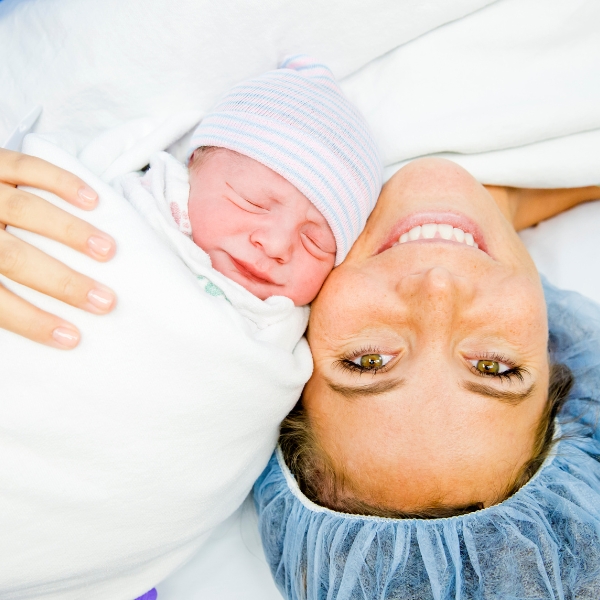
A planned (elective) C-section usually feels calmer, with a set date and full preparation. You will have time to discuss the procedure, postpartum recovery, and aftercare with your midwife or consultant.
An emergency C-section, on the other hand, happens unexpectedly, often due to concerns about the baby’s or mother’s health. It is performed quickly, which can feel more stressful and sometimes leads to a longer recovery. In some cases, mums may also notice ongoing scar changes, learn more in our blog on permanent scarring symptoms after a Caesarean section.
Elective C-section recovery
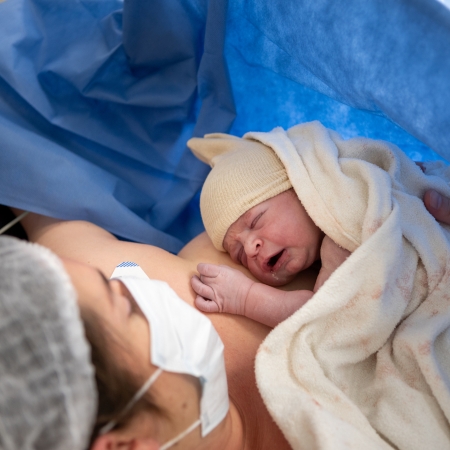
Recovery after an elective C-section is usually smoother compared to an emergency procedure, but it still takes time.
- Hospital stays: Most mums stay in hospital for 1-2 days after a C-section in the UK.
- Initial recovery: The first few weeks are focused on rest, pain management, and allowing the wound to heal.
- Long-term recovery: It can take around 6–8 weeks to feel more physically comfortable, though full C-section recovery varies for everyone.
Looking after your scar is an important part of this process. Good scar care helps reduce discomfort, supports healing, and can improve overall C-section scar recovery.
Take the next step in your recovery and request your free Scar Guide today.
Risks and considerations
While elective C-sections are common and generally safe, there are still risks considering, including:
- Infection at the wound site.
- Longer recovery compared to vaginal birth.
- Possible complications with future pregnancies if multiple C-sections are carried out.
If you are considering an elective C-section, your healthcare team will discuss the benefits and risks with you.
Scar care and recovery with Scarban C-section
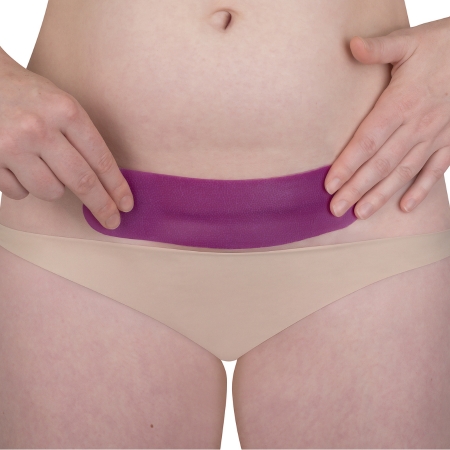
After an elective C-section, caring for your scar is key to both comfort and recovery. Scarban C-section silicone sheets are designed specifically for C-section scars and offer proven silicone therapy to:
- Helps flatten and soften scars over time.
- Helps relieve itching, redness, and tightness during healing.
- Protect your scar against friction from clothing.
- Support long-term scar recovery when used consistently.
Scarban C-section silicone sheets can be worn discreetly under clothing and are reusable for several weeks. They should only be applied once your wound is fully closed and healed.
Conclusion
Elective C-sections give mums more control and preparation time for birth, but recovery is still a vital part of the journey. By combining rest, support, and effective scar care, you can feel more confident in your postpartum healing.
FAQs
How long do you stay in hospital after C-section in the UK?
Most women go home 1–2 days after a C-section if there are no complications.
How long does an emergency C-section take?
An emergency C-section usually takes 30–60 minutes, though urgent cases may be completed faster.
How many C-sections can you have?
There isn’t a strict limit, but risks rise with each surgery. After three or more C-sections, complications such as heavier bleeding, scar tissue, or (rarely) injury to nearby organs are more likely. Always discuss future pregnancies with your doctor.
How long after C-section can you drive?
Most women can usually drive again around 6 weeks after a C-section, but only once you feel comfortable, can make an emergency stop safely, and driving does not cause pain. If unsure, ask your midwife or check with your GP at your 6-week postnatal review.
How long after C-section can you get pregnant?
It is generally recommended to wait 12 to 18 months before becoming pregnant again, to give your body enough time to heal. However, this can vary depending on your overall health and the details of your last C-section.
References
- NHS (2023). Caesarean section recovery. NHS UK.
- NHS (2022). Caesarean section. NHS UK.
- National Institute for Health and Care Excellence (NICE) (2021). Caesarean birth. NICE guideline NG192.
- Health Service Executive (HSE) (2024). Birth options after a caesarean birth. HSE Ireland.
- Tommy’s. (2023). After a caesarean section.