
C-Section Awareness Month: Recovery & Scar Care Guide
- Scarban C-Section
- 1 Apr 2026
-
views
78

April marks C section awareness month, a time to raise awareness about Caesarean births and the postpartum recovery that follows. While C-sections are common, many mums are still unsure what to expect afterwards, especially when it comes to healing and scar care.In the UK, Caesarean births are rising. Recent NHS data reported by the BBC shows that 45% of births in England are now by C-section, slightly higher than 44% delivered vaginally without assistance. This is the first time C-sections have overtaken unassisted births.
Despite this, many mums are discharged from hospital within 1 to 2 days, often with limited guidance on what recovery should look like at home. A Caesarean is major abdominal surgery, and recovery continues long after leaving hospital. Yet, there is still a gap in postnatal education and support, especially around scar care. In this blog, we’ll guide you through what to expect after a C-section and how to support your recovery.
This C-Section Awareness Month, enjoy 10% off Scarban C-Section
Now just £74.99 £67.49 – discount applied automatically.
The reality of C-section recovery
After a C-section, your body goes through a complex healing process. While the surface of the wound may appear healed within a few weeks, the deeper layers continue to recover for several months. Understanding these different phases is key to knowing what’s normal and when to start scar care. You can learn more about each stage in our C-section scar healing stages guide.
During this time, it is common to experience:
- Tightness or pulling around the scar
- Redness or sensitivity
- Itching or discomfort
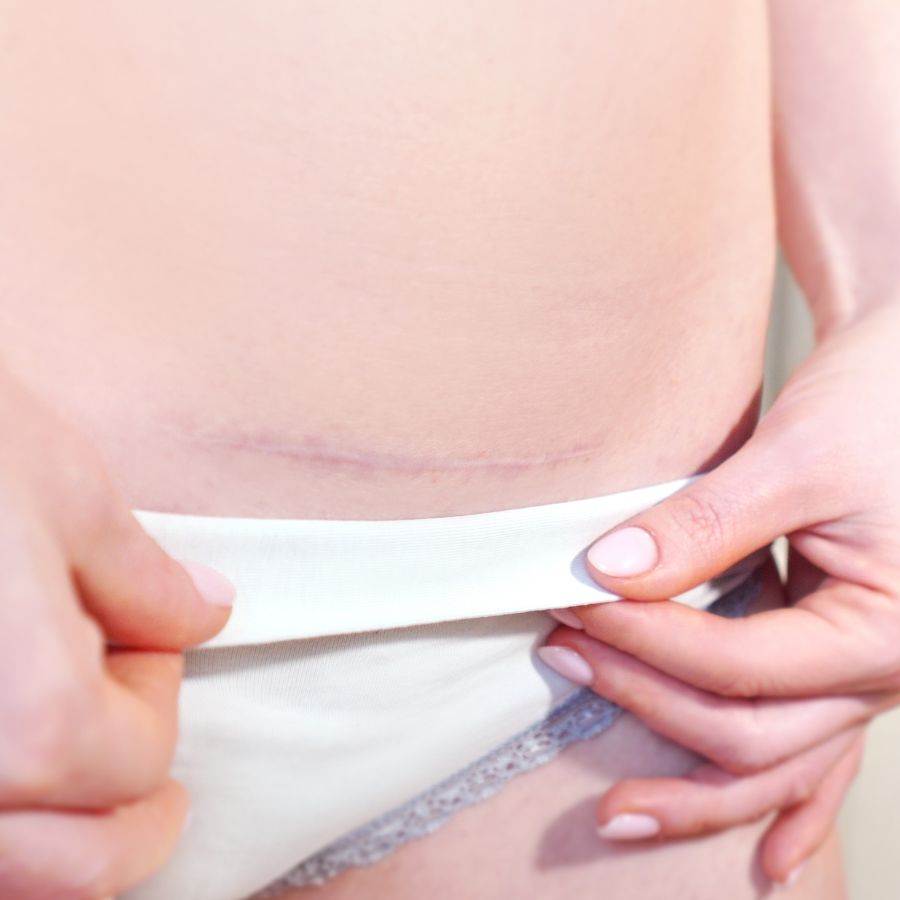
These symptoms are part of the scar maturation phase, which can last up to 12-18 months or longer. Without the right care, some scars may become raised (hypertrophic) or extend beyond the original incision (Keloid scars).
Hypertrophic scars are especially common after surgical procedures such as a Caesarean section, with the risk reported to be as high as 50%. This highlights the importance of early and consistent scar care once the wound has healed.
Why scar care matters after the wound has healed
Once your wound is fully closed, stitches are removed, and scabs have disappeared, scar care becomes essential.
Early and consistent care can help:
- Improve comfort and reduce tightness
- Minimise redness and itching
- Support a flatter, softer scar over time
One of the most recommended treatments in clinical guidelines is silicone therapy. Silicone sheets help create a protective, hydrated environment that supports the natural healing process. Alongside this, simple steps such as C-section scar massage and finding the right sleeping position after a C-section can also support your recovery. Choosing the right scar care products early on can make a meaningful difference to how your scar heals over time.
The role of silicone therapy in C-section recovery
Silicone therapy is widely recognised as a first-line treatment for scar management, particularly during the early stages of scar maturation. It works by creating a protective barrier over the scar, helping to maintain hydration and regulate collagen production, which are key factors in how a scar develops. This can help reduce common symptoms such as redness, itching, and tightness. You can learn more about the science behind this in our guide on how silicone scar sheets work.
There is also strong clinical support for silicone therapy. Research has shown that silicone sheets can help improve scar appearance and reduce the risk of abnormal scarring, including hypertrophic and keloid scars. You can explore this further on our scientific evidence page.
Starting silicone therapy as soon as the wound has fully healed can support better long-term outcomes and help your scar settle more comfortably over time. You can read more about it in our blog when to use silicone on your C-section scar.
Supporting your recovery with Scarban C-Section
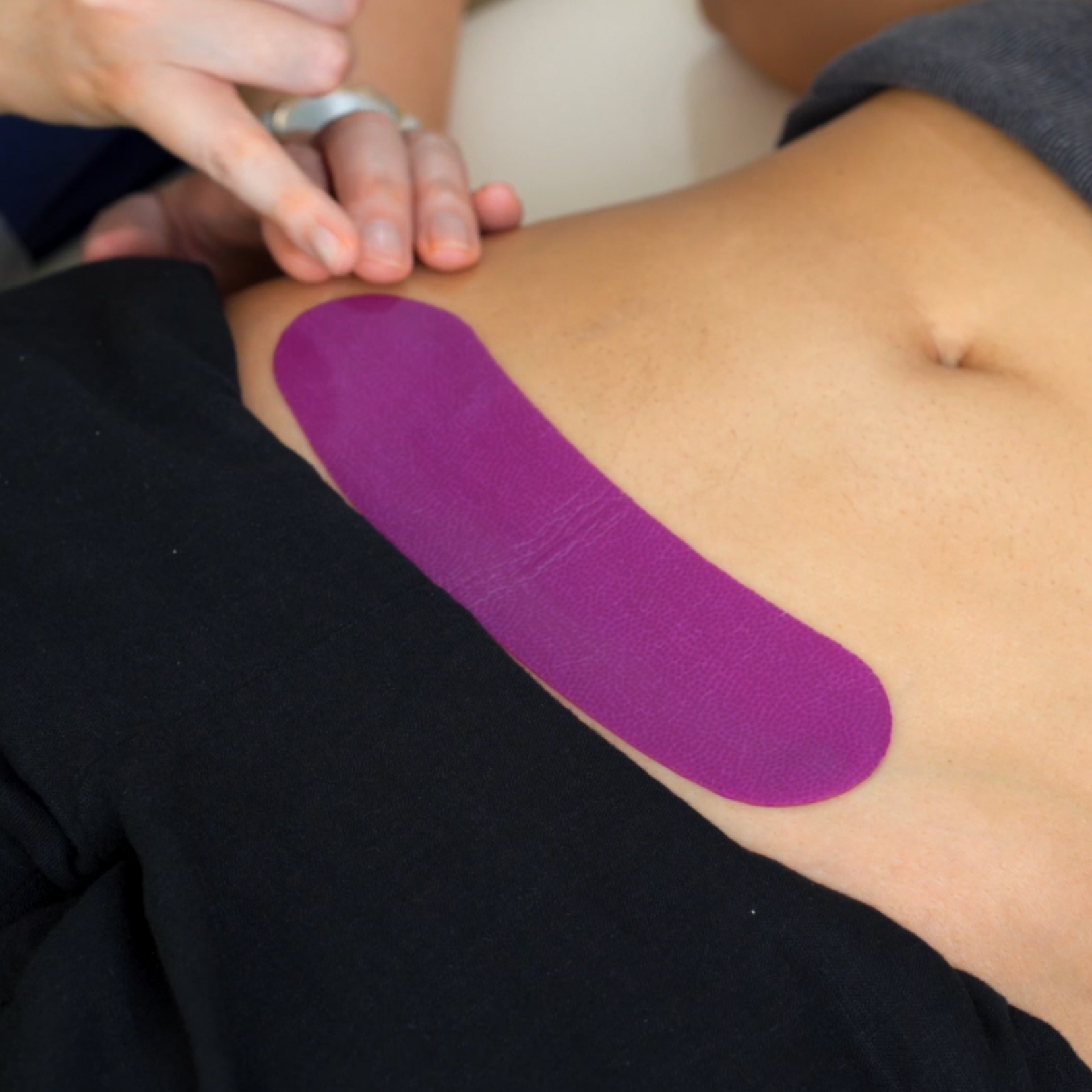
Scarban C-Section silicone sheet is designed specifically for post C-section scars. Made from medical-grade silicone, they provide continuous support during the healing process.
They help to:
- Soften and flatten the scar
- Reduce redness and discomfort
- Support long-term scar improvement
The silicone sheets are reusable, flexible, and easy to wear as part of your daily routine. For practical advice, you can also read how to care for your Scarban silicone sheet.
Closing the gap in postnatal support
As C-section rates continue to rise in the UK, it is more important than ever to improve awareness around postpartum recovery and scar care. For many mums, recovery begins at home, often without clear guidance on what to expect or how to care for their body after surgery. A Caesarean section is a major procedure, and healing takes time, both physically and emotionally. By sharing the right information, encouraging open conversations, and supporting better scar care practices, we can help mums feel more confident and prepared throughout their recovery journey. This C-Section Awareness Month, it is about more than just the birth. It is about supporting recovery, raising awareness, and helping every mum feel seen and supported.
Looking for more support?
If you would like more guidance on caring for your C-section scar, we’ve created a simple, expert-backed resource to help you at every stage of recovery.
Your free guide to scar care and recovery
Learn everything about your scar and treatments options in the free scar guide!
References
- BBC News (2025). C-sections overtake natural births in England for first time.
- NHS Inform (2023). Caesarean section (C-section).
- Mustoe, T.A. (2020). International Scar Classification in 2019. In: Téot, L., Mustoe, T.A., Middelkoop, E. et al. (eds.) Textbook on Scar Management: State of the Art Management and Emerging Technologies. Springer.
- National Institute for Health and Care Excellence (NICE) (2021). Caesarean birth (NG192).
- O’Brien, L., Jones, D.J., & Holme, S.A. (2013). Silicone gel sheeting for preventing and treating hypertrophic and keloid scars. Cochrane Database of Systematic Reviews, (9).